
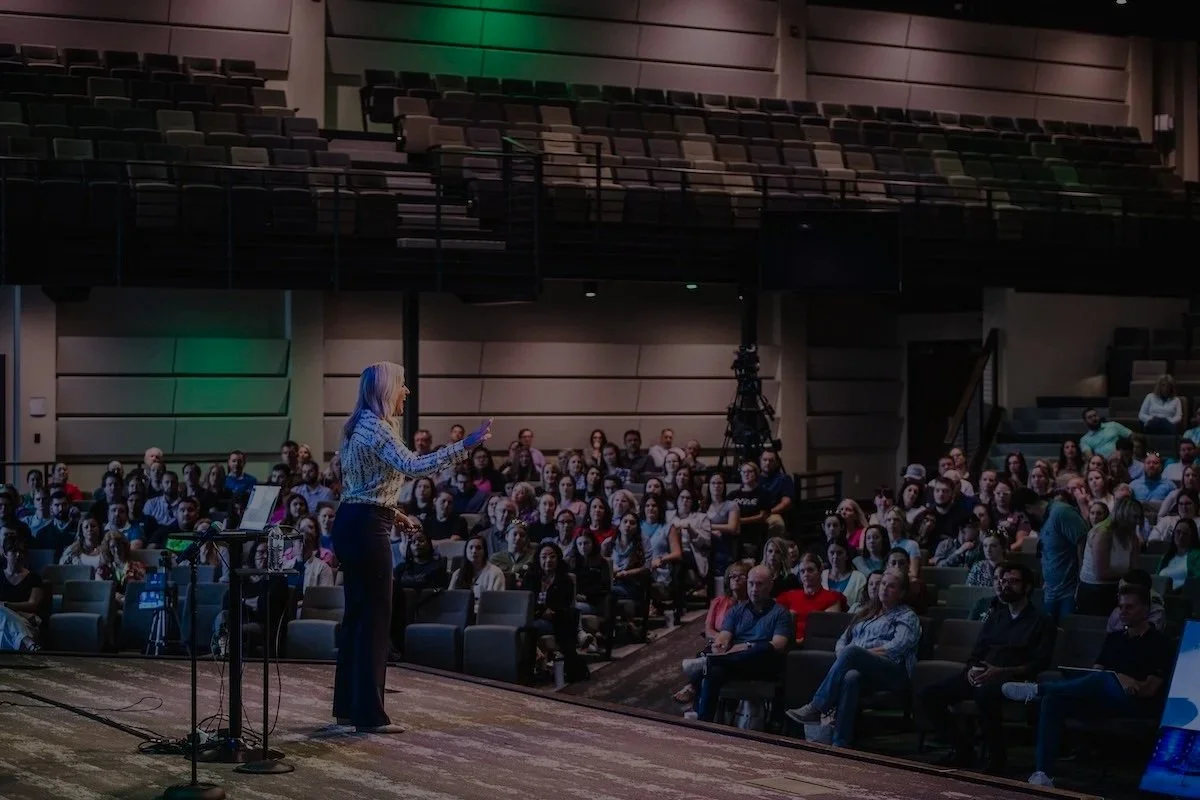
How to Choose a Human Connection Keynote Speaker
A practical guide for event planners who are still comparing options.
Written by Rachel Mahoney. Last updated November 2026.
The short answer
You know your people best, so start there: what do you want them to do differently when they get back to work? Then look for a speaker who learns about your group before the event and can explain how they’ll engage your audience and what people can put into practice afterward. It also helps to see a full session or an extended, continuous clip. Topic fit matters, and so does how the speaker works with you throughout the process.
1. Start with your audience
“Human connection” covers a lot of ground. It can mean trust between leaders and their teams, friction between departments, or how client-facing people build relationships. Before you compare speakers, three questions are worth answering:
Who’s in the room: leaders, the whole company, a sales team, association members?
What’s getting in their way right now?
What would you like them to say or do differently a month from now?
A good-fit speaker will usually want to talk these questions through with you, too.
2. Ask what customization actually means
Customization can look different from speaker to speaker, so it’s worth asking what it means in practice. A few good questions:
Is there a planning call, and who should be on it?
How do you learn about our audience, and whose perspective would help you prepare?
How will you incorporate our organization’s language, challenges, and context?
Which elements of the keynote are tailored to each audience?
3. What will participation look like in your room?
If audience participation is important to your event, ask how the speaker incorporates it and how it works in a room your size. Participation should suit the audience, setting, and goals of the session.
4. Ask for evidence you can check
A highlight reel is a great introduction. To see the speaker’s pacing and how they connect with the room, it helps to ask for:
A full session or an extended, continuous clip of a recent keynote
References from planners who ran events like yours
Credentials and background that relate to the topic
Listen, too, for how a speaker talks about results. A keynote can be part of a bigger effort, and it’s worth discussing what a single session can realistically accomplish.
5. Make sure the session fits your agenda
Think about where the keynote sits. An opening session sets the tone. A closing session can reinforce the event’s central message. Ask how the speaker adjusts length, energy and content for the slot, and whether they’ll connect their message to the rest of your program.
6. Plan for what happens after the event
It helps to think beyond the session itself. Look for clear takeaways attendees can use right away, and ask whether there are options for going deeper with a specific group.
7. Pay attention to how they work with you
The first few conversations tell you a lot. Look for someone who’s responsive, asks thoughtful questions, and makes your job easier. If you’re working with a speaker bureau, your agent can help you assess fit, share what they know about the speaker, and coordinate a conversation about your program.
8. Consider the practical fit
Beyond the content, confirm the speaker’s fee, travel arrangements, audiovisual requirements, accessibility considerations, and cancellation terms. Ask what’s included in the fee and whether there are additional costs. The right speaker needs to fit both your audience and your event’s practical requirements.
Questions to ask any speaker
What do you need to know about our audience before you start preparing?
Can you give an example of how you’ve adapted a keynote for a particular audience?
What can attendees expect to experience during the keynote?
Can we see a full session or an extended, continuous clip?
Can you connect us with a planner who ran a similar event?
What will people take with them when they leave?
How do you adjust for an opening slot versus a closing slot?
What do you need from us on the day of the event?
What does your fee include, and what other costs should we plan for?
How Rachel’s work fits
Rachel Mahoney (formerly Rachel DeAlto) is a keynote speaker whose work centers on human connection. Her keynotes explore how human connection shapes leadership, teamwork, and client relationships. Her current keynotes are:
Be the Leader They Believe In, for leadership conferences, management meetings and executive retreats
The Team Everyone Wants to Be On, for company-wide meetings, team events and association conferences
Why They Choose You, for sales kickoffs and customer experience events
Each keynote is built around true stories, humor and practical tools. Preparation starts with a planning call about your goals and audience. For events where it makes sense, preparation can also include a short pre-event survey so Rachel can choose stories and examples that fit your room. Rachel also offers the SEEN Experience, a custom add-on that brings your own people’s stories into the program.
Rachel holds a Juris Doctor and a master’s degree in psychology and is a Certified Speaking Professional (CSP). She is the author of The Relatable Leader: Create a Culture of Connection and relatable: How to Connect with Anyone Anywhere (Even if It Scares You).
Still comparing? Watch Rachel in action, or explore the keynotes in more detail.
See the Keynotes · Watch Rachel · Who Is Rachel Mahoney?
Frequently asked questions
What’s the difference between a human connection keynote and a motivational keynote?
A motivational keynote typically centers on inspiration and personal drive. A human connection keynote centers on how people build trust, communicate, and work together. Many events benefit from elements of both.
Can one keynote fix disengagement?
No single keynote can resolve disengagement on its own. A keynote can give people shared language, practical habits, and a reason to keep the conversation going. What happens after the event matters, too. For more on this topic, see Rachel’s employee engagement keynote page.
How much customization is realistic?
Customization varies by speaker and may include changes to stories, examples, and emphasis. A good question to ask is what changes for your event and what stays the same.